How To Get Mildew Smell Out of Carpet in 10 Steps: A Comprehensive Guide

https://youtube.com/watch?v=ISvYP0ZBWDw%3Ffeature%3Doembed


Mildew smells in carpets are a common problem, especially in areas with high humidity or where spills and moisture have not been properly dried. These unpleasant odors are not only bothersome but can also indicate the presence of mold or mildew, which can affect indoor air quality and health. If you’re dealing with a mildew smell in your carpet, don’t worry—there are several effective methods to eliminate these odors and restore freshness to your home. 


In this guide, we’ll walk you through a step-by-step process on how to get mildew smell out of carpet using both household remedies and specialized products. By following these steps, you can ensure your carpets are clean, fresh, and free of any musty odors. 


1. Identify the Source of the Mildew Smell

The first step in getting rid of mildew smell in carpet is to identify the source of the odor. Mildew smell in carpets is often caused by moisture that has not been properly dried. This could be due to a spill, flood, high humidity, or a leak. Inspect the carpet closely to determine if there are any visible signs of mold or mildew, such as discoloration or dampness. Knowing the source of the odor will help you address it more effectively.


2. Gather Necessary Supplies 

Before you start, make sure you have all the necessary supplies to remove mildew odor from carpet: 

  • Vacuum cleaner: A vacuum with a HEPA filter is ideal for removing dust, dirt, and mildew spores. 
  • Baking soda: Known for its odor-absorbing properties, baking soda is a key ingredient in removing mildew smell from carpet. 
  • White vinegar: Vinegar is an effective natural deodorizer that can help neutralize mildew odors. 
  • Steam cleaner: A steam cleaner can deep clean the carpet fibers, removing trapped dirt and odors. 
  • Carpet deodorizer: This can help freshen up the carpet after cleaning. 
  • Fans or dehumidifiers: These will aid in drying the carpet quickly to prevent mildew from returning. 


3. Ventilate the Area 

Proper ventilation is crucial when dealing with mildew odor in carpet. Open windows and doors to allow fresh air to circulate throughout the room. If possible, use fans to increase airflow. This step helps to dissipate the mildew smell and reduce moisture in the air, making it easier to remove mildew odor from carpet. 


4. Vacuum the Carpet Thoroughly 

Before applying any cleaning solutions, vacuum the carpet thoroughly to remove loose dirt, dust, and mildew spores. Use a vacuum cleaner with a HEPA filter to ensure that all allergens and particles are effectively captured. Pay special attention to the areas where the mildew smell is strongest. 


5. Apply Baking Soda 

Baking soda is a natural deodorizer and can help eliminate mildew smell from carpet: 

  • Method: Sprinkle a generous amount of baking soda over the affected areas of the carpet. Let it sit for several hours or overnight to absorb the mildew odor. 
  • Why it Works: Baking soda neutralizes odors by absorbing moisture and trapping smell particles, making it an effective solution for removing mildew smell from carpet. 


6. Use a Vinegar Solution 

Vinegar is a powerful natural deodorizer that can help get rid of musty smell in carpet: 

  • Method: Mix equal parts of white vinegar and water in a spray bottle. Lightly spray the affected areas of the carpet with the vinegar solution. Be careful not to saturate the carpet, as too much moisture can worsen the problem. 
  • Why it Works: Vinegar neutralizes mildew odors and helps to kill mold and mildew spores, making it an effective way to clean carpet with mildew odor. 


7. Steam Clean the Carpet 

Steam cleaning is an effective method for deep cleaning carpet and removing mildew odor: 

  • Method: Use a steam cleaner with a cleaning solution designed for mildew odor removal. Follow the manufacturer’s instructions for proper use. Focus on areas with the most mildew smell. 
  • Why it Works: Steam cleaning penetrates deep into the carpet fibers, loosening dirt, mold, and mildew spores. It also kills bacteria and other microorganisms, effectively removing mildew odor from carpet. 


8. Dry the Carpet Completely 

Drying the carpet completely is crucial to prevent mildew from returning: 

  • Method: Use fans, dehumidifiers, or open windows to speed up the drying process. Ensure that the carpet is completely dry before moving on to the next step. 
  • Why it Works: Moisture is the primary cause of mildew smell in carpet. By thoroughly drying the carpet, you eliminate the conditions that allow mold and mildew to grow. 


9. Use a Carpet Deodorizer 

After cleaning and drying, a carpet deodorizer can help eliminate any remaining odors: 

  • Method: Apply a carpet deodorizer according to the product instructions. Allow it to sit for the recommended time before vacuuming it up. 
  • Why it Works: Carpet deodorizers are specifically formulated to neutralize odors and leave your carpet smelling fresh. 


10. Prevent Future Mildew Smells 

To prevent mildew smell in carpet from returning, take the following precautions: 

  • Keep carpets dry: Immediately clean up spills and accidents, and ensure that carpets are thoroughly dried. 
  • Control humidity: Use a dehumidifier in areas prone to high humidity, such as basements or bathrooms. 
  • Regular cleaning: Vacuum carpets regularly and schedule professional deep cleanings to keep them free of dirt and moisture. 
  • Proper ventilation: Ensure that rooms with carpets are well-ventilated to prevent moisture buildup. 


How To Get Mildew Smell Out of Carpet: FAQs

Q: Can I use bleach to remove mildew smell from carpet? 

A: While bleach is effective at killing mold and mildew on hard surfaces, it is not recommended for use on carpets as it can damage the fibers and cause discoloration. 

Q: How often should I clean my carpet to prevent mildew smells? 

A: Regular vacuuming is essential to prevent dirt and moisture buildup. For areas prone to humidity, consider deep cleaning every 6-12 months. 

Q: Can professional carpet cleaning remove mildew odor? 

A: Yes, professional carpet cleaners have specialized equipment and solutions designed to effectively remove mildew odor and deep clean carpets. 

Q: What should I do if the mildew smell persists after cleaning? 

A: If the odor persists despite your best efforts, consider hiring a professional carpet cleaning service. Persistent odors may indicate a deeper mold issue that requires professional attention. 

Recent Posts
August 20, 2026
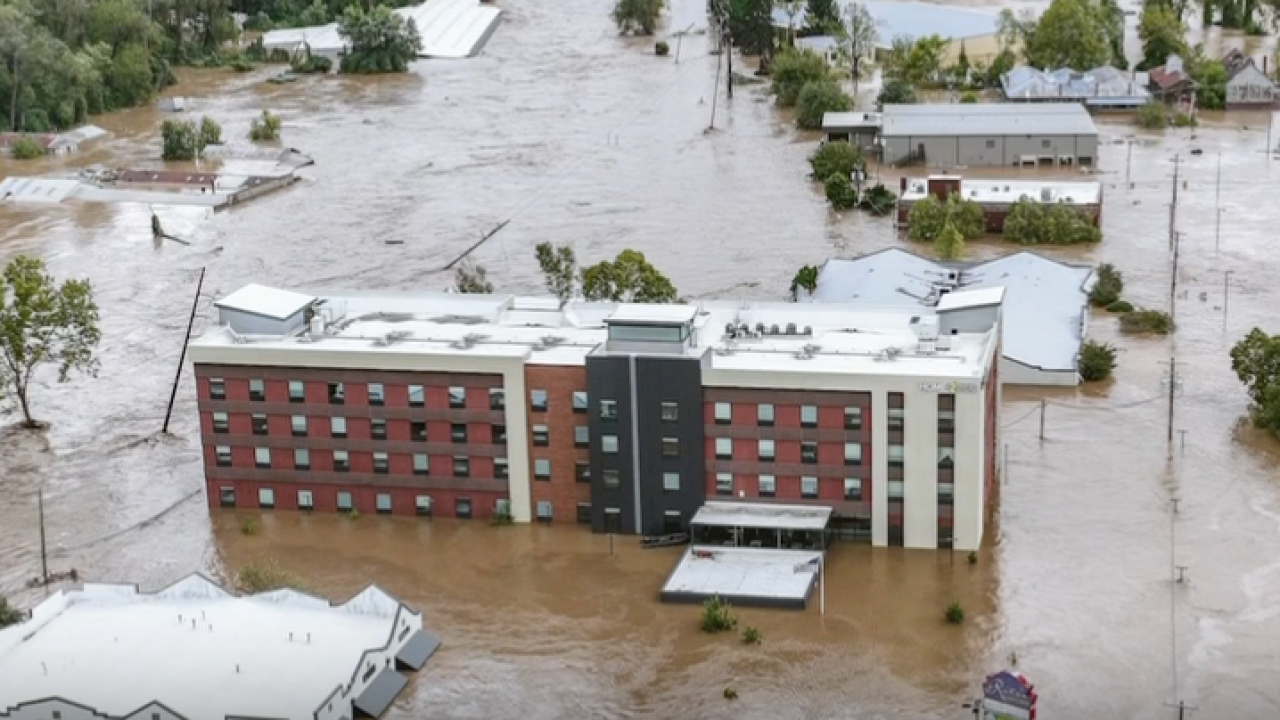
Water damage is one of the most common—and costly—property emergencies homeowners and business owners face. Whether it’s caused by a burst pipe, a leaking appliance, storm flooding, or a sewage backup, not all water damage is the same. Restoration professionals use two important systems to assess water damage: categories and classes. While these terms are often used interchangeably, they refer to two very different things. The category describes the level of contamination in the water, while the class describes the extent of the damage and how much water has been absorbed into the structure. Understanding the difference can help you better understand the restoration process and why certain jobs require more extensive cleanup than others. What Are the Categories of Water Damage? Water damage is divided into three categories based on the level of contamination and potential health risks. Category 1: Clean Water Category 1 water originates from a sanitary source and does not pose an immediate health risk. Common sources include: Broken water supply lines Overflowing sinks or bathtubs (without contaminants) Rainwater entering through a roof leak before contacting contaminants Appliance supply line leaks Although Category 1 water starts clean, it doesn’t stay that way forever. If left standing for too long, it can absorb dirt, bacteria, and other contaminants from building materials, eventually becoming Category 2 or even Category 3 water. The key takeaway: Even clean water should be addressed immediately to prevent structural damage and mold growth. Category 2: Gray Water Category 2 water contains contaminants that can cause illness or discomfort if ingested or exposed to the skin for extended periods. Common sources include: Washing machine overflows Dishwasher leaks Toilet overflows containing urine but no solid waste Sump pump failures Water from aquariums Gray water requires more careful handling than clean water because it may contain microorganisms, chemicals, or other contaminants. Professional drying, cleaning, and sanitizing are typically necessary to restore the affected area safely. Category 3: Black Water Category 3 water is highly contaminated and poses significant health risks. This type of water contains harmful bacteria, viruses, sewage, chemicals, or other hazardous materials. Common sources include: Sewage backups Toilet overflows containing solid waste River or creek flooding Hurricane or storm surge flooding Standing water that has become heavily contaminated Because black water can carry dangerous pathogens, affected materials often cannot be salvaged and may need to be removed and replaced. Restoration professionals use specialized protective equipment, containment procedures, and antimicrobial treatments to safely restore these environments. What Are the Classes of Water Damage? While the categories describe how contaminated the water is, the classes describe how much water is present and how difficult it will be to dry the structure. There are four classes of water damage. Class 1: Minimal Water Damage Class 1 is the least severe. Characteristics include: Small affected area Little moisture absorbed by materials Minimal evaporation required Easy and quick drying process Examples include a small leak that is discovered quickly before it spreads. Class 2: Significant Water Damage Class 2 involves water affecting an entire room or multiple structural materials. Typical signs include: Wet carpet and padding Moisture in drywall Water wicking up walls Greater amount of evaporation required Drying usually requires professional equipment such as air movers and commercial dehumidifiers. Class 3: Extensive Water Damage Class 3 is considered severe. In these situations: Water has saturated ceilings, walls, insulation, flooring, and contents. The majority of the affected area is wet. Materials have absorbed large amounts of moisture. These projects require aggressive drying techniques and often involve removing damaged materials to ensure the structure dries completely. Class 4: Specialty Drying Situations Class 4 water damage involves materials that are difficult to dry because they absorb moisture slowly. Examples include: Hardwood flooring Concrete Brick Stone Plaster Crawl spaces with dense building materials Specialized drying methods, extended drying times, and advanced moisture monitoring equipment are required to restore these materials properly. Why Fast Action Matters Regardless of the category or class, time is one of the biggest factors in determining how much damage occurs. Within the first 24 to 48 hours: Water continues spreading through porous materials. Drywall and insulation absorb moisture. Wood begins to swell and warp. Mold growth may begin. The longer water remains, the greater the chances of structural damage, mold growth, and increased restoration costs. Prompt mitigation can often save flooring, drywall, furniture, and personal belongings that might otherwise need to be replaced. Why Professional Water Damage Restoration Is Important Water damage isn’t always visible. Moisture can become trapped behind walls, beneath flooring, inside insulation, and within structural framing. Professional restoration companies use specialized equipment such as: Moisture meters Thermal imaging cameras Commercial-grade dehumidifiers High-powered air movers HEPA filtration equipment when needed These tools help ensure that moisture is completely removed, reducing the risk of hidden damage and future mold growth. Simply drying the visible surfaces is often not enough. Emergency Restoration Xperts Is Ready to Help Whether you’re dealing with a clean water leak, a flooded basement, or a sewage backup, every water loss deserves immediate attention. At Emergency Restoration Xperts, our experienced technicians quickly assess both the category and class of water damage to develop the safest and most effective restoration plan. From emergency water extraction and structural drying to cleaning, sanitizing, and rebuilding, we’re committed to restoring your property as efficiently as possible. If your home or business experiences water damage, don’t wait. The sooner restoration begins, the better the chances of minimizing damage, preventing mold growth, and returning your property to its pre-loss condition.  Need emergency water damage restoration? Contact Emergency Restora tion Xperts 24/7 to schedule an immediate response and let our team help you get back to normal.
August 20, 2026
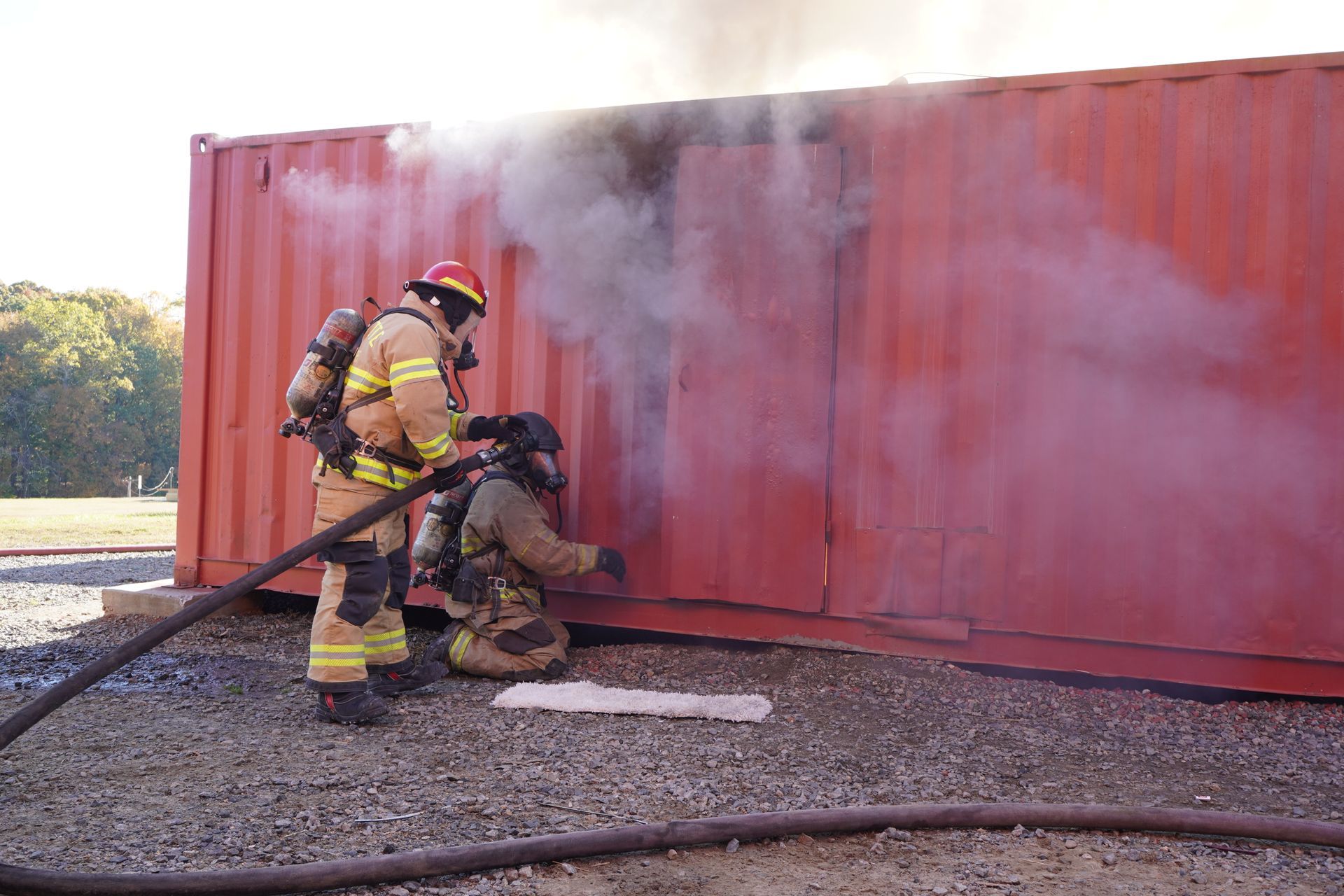
When the flames are out and the visible damage has been cleaned up, many homeowners expect the lingering smoke smell to fade with time. Lighting candles or using air freshener never really works and it is rarely the case the smell just “goes away”. If you’ve experienced a fire, whether it’s a small kitchen fire or a large structural fire, the smoke odor isn’t simply “stuck in the air.” It’s embedded deep within your home’s materials and contents. Without proper restoration, that smell can linger for months—or even years. Here’s why smoke odor doesn’t disappear on its own and why professional fire damage restoration is essential. Smoke Leaves Behind More Than Just a Smell During a fire, smoke is made up of microscopic particles, soot, oils, and gases that spread throughout the property. Because these particles are incredibly small, they can travel into areas that flames never reach. Smoke residue can settle on or penetrate: Drywall Wood framing Insulation Carpet and padding Upholstered furniture Curtains and fabrics Cabinets HVAC systems Electronics and personal belongings Even if these surfaces appear clean, smoke particles can remain trapped inside them, continuously releasing odors into your home. Why the Smell Keeps Coming Back Many homeowners notice that the smoke odor seems to improve after opening windows or using air fresheners. While this may temporarily reduce the smell, it doesn’t remove the source. Humidity, temperature changes, and everyday activities can reactivate smoke residue, causing the odor to become noticeable again. That’s because the particles responsible for the smell are still present inside building materials and furnishings. Simply masking the odor with candles, sprays, or air fresheners only covers it up temporarily. The underlying contamination remains. Smoke Damage Can Affect Your Indoor Air Quality Lingering smoke residue isn’t just unpleasant—it can also impact your indoor environment. Fine soot particles can circulate through your HVAC system, settling on clean surfaces or becoming airborne whenever your heating or cooling system runs. This can contribute to poor indoor air quality and continue spreading odors throughout your home. Professional restoration helps remove these contaminants, creating a cleaner and healthier living environment. Why DIY Cleaning Isn’t Enough After a fire, many people attempt to clean smoke damage using household cleaners or rented equipment. Unfortunately, smoke damage requires specialized knowledge and equipment. Improper cleaning can: Spread soot to unaffected areas Permanently stain surfaces Damage delicate materials Lock odors deeper into porous materials Miss hidden contamination inside walls, attics, or HVAC systems Every fire is different, and the type of smoke residue left behind depends on what burned. Different materials require different cleaning methods to prevent additional damage. How Professional Smoke Odor Removal Works At ERX, we use industry-approved techniques and equipment designed to remove smoke odors at their source—not just cover them up. Depending on the severity of the damage, our restoration process may include: Thorough Inspection We identify all affected areas, including hidden smoke damage that may not be immediately visible. Soot and Residue Removal Specialized cleaning products and techniques safely remove soot from walls, ceilings, flooring, and other surfaces. Deep Cleaning of Contents Furniture, textiles, and personal belongings are cleaned using restoration methods appropriate for each material. Air Filtration Commercial-grade HEPA air scrubbers capture microscopic airborne particles that standard household filters cannot. Advanced Odor Removal When appropriate, we use professional deodorization methods such as thermal fogging, hydroxyl generators, or ozone treatments to neutralize odor molecules at their source. HVAC Cleaning If smoke has entered your ventilation system, cleaning the ductwork helps prevent odors and contaminants from continuing to circulate throughout your home. The Longer You Wait, the Harder It Can Be Smoke residue becomes more difficult to remove the longer it remains on surfaces. Acidic soot can permanently stain materials, corrode metals, discolor finishes, and cause ongoing odors if left untreated. Acting quickly not only improves the chances of restoring your property but can also reduce repair costs and prevent further damage. Trust the Experts After a Fire Recovering after a fire is overwhelming, but you don’t have to handle it alone. Professional fire damage restoration is about more than removing the smell—it’s about restoring your home safely, thoroughly, and efficiently. At ERX, our experienced team has the training, equipment, and expertise to eliminate smoke odors, clean affected materials, and help return your property to pre-loss condition. If your home or business has experienced fire or smoke damage, contact ERX today. We’re available 24/7 to respond quickly and help you take the first step toward recovery.
August 20, 2026
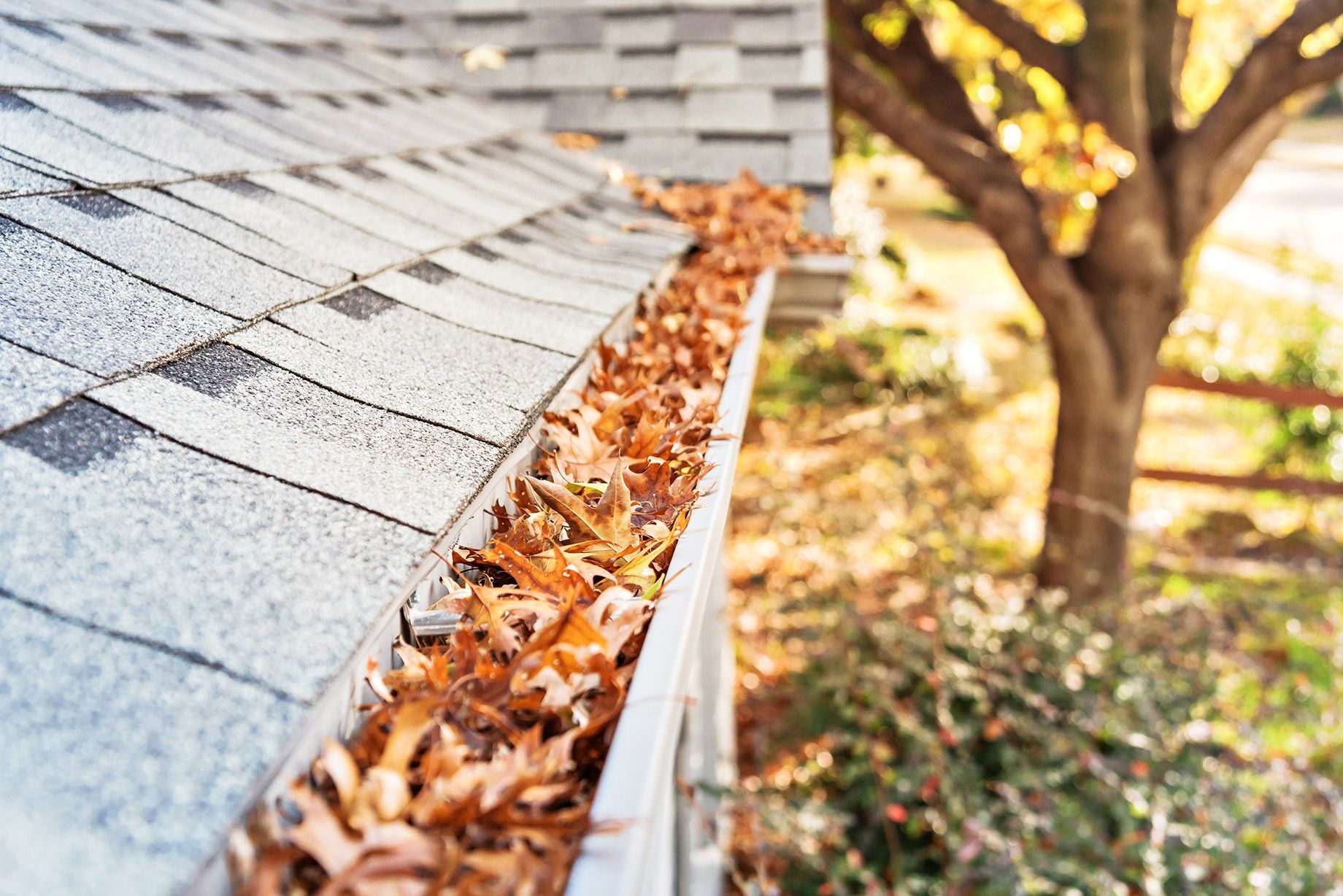
Summer brings longer days, vacations, and outdoor fun—but it also brings the potential for powerful thunderstorms, high winds, hail, heavy rain, and flash flooding. These storms can develop quickly and leave behind significant property damage if you’re not prepared. Going over these simple steps before severe weather strikes can help protect your family, minimize damage to your home, and make recovery much easier. Here’s what every homeowner should know. Before the Storm: Prepare Before Severe Weather Arrives The best time to prepare for a storm is long before one is in the forecast. Inspect Your Roof Loose or missing shingles can allow water to enter your home during heavy rain. Have your roof inspected regularly and repair any damage before storm season. Clean Gutters and Downspouts Clogged gutters prevent rainwater from flowing away from your home, increasing the risk of roof leaks, foundation issues, and basement flooding. Trim Trees and Remove Dead Branches Overhanging limbs can snap during high winds and damage your roof, vehicles, or power lines. Secure Outdoor Items Patio furniture, grills, umbrellas, trampolines, and other outdoor items can become dangerous projectiles during strong winds. Secure or store them when storms are expected. Assemble an Emergency Kit Your emergency kit should include: Flashlights and extra batteries Bottled water Non-perishable food First aid supplies Cell phone chargers and portable power banks Prescription medications Important documents stored in a waterproof container Review Your Insurance Coverage Know what your homeowner’s insurance covers before disaster strikes. Take photos or videos of your home’s condition and valuable belongings for documentation. During the Storm: Stay Safe When severe weather arrives, your priority should always be protecting yourself and your family. Stay Indoors Remain inside and stay away from windows, glass doors, and skylights. Flying debris and hail can cause serious injuries. Monitor Weather Alerts Keep a battery-powered weather radio or use a trusted weather app to stay informed about watches, warnings, and emergency updates. Avoid Floodwaters Never walk or drive through flooded roads. Just a few inches of moving water can knock someone down or sweep away a vehicle. Unplug Sensitive Electronics If it’s safe to do so before the storm intensifies, unplug computers, televisions, and other electronics to help protect them from power surges. Have a Safe Shelter Plan If tornado warnings are issued, move to the lowest level of your home and stay in an interior room away from windows. After the Storm: Assess Damage Safely Once the storm has passed, use caution while inspecting your property. Check for Hazards First Look for downed power lines, gas leaks, damaged electrical systems, and unstable trees. Never approach fallen utility lines. Document Any Damage Take clear photos and videos of all visible damage before making temporary repairs. This documentation can help with your insurance claim. Prevent Further Damage If it is safe, place tarps over damaged roofs or board up broken windows to keep additional rain from entering your home. Watch for Water Damage Even small leaks can quickly lead to mold growth if moisture isn’t removed promptly. Check ceilings, walls, flooring, attics, and crawl spaces for signs of water intrusion. Contact Restoration Professionals Quickly Water damage begins affecting building materials almost immediately. The sooner drying and mitigation begin, the better the chances of preventing mold growth and reducing repair costs. Common Signs Your Home May Have Storm Damage Even if everything appears normal from the ground, hidden damage can develop after severe weather. Watch for: Water stains on ceilings or walls Missing or damaged shingles Leaking roof or attic Wet carpet or flooring Musty odors Cracked siding or broken windows Fallen tree limbs on the roof Standing water around your home’s foundation If you notice any of these issues, it’s important to have your property inspected as soon as possible. Be Prepared Before the Next Storm Summer storms are unpredictable, but preparation can make all the difference. By taking preventive steps before severe weather, staying safe during the storm, and acting quickly afterward, you can help protect your home and reduce the risk of costly damage. If your property experiences storm, wind, or water damage, don’t wait. Quick action can prevent additional damage and help restore your home faster. Having a trusted restoration company ready to respond gives you peace of mind when severe weather strikes.